
Shanghai Tower Design and Structure
The Shanghai Tower design is one of the most advanced examples of modern skyscraper engineering in the world. Standing at 632 meters, it is not only the tallest building in China but also a symbol of Shanghai’s innovation, sustainability, and futuristic urban planning.
From its iconic twisted form to its high-speed elevators and eco-friendly systems, the Shanghai Tower design integrates aesthetics, functionality, and environmental responsibility.
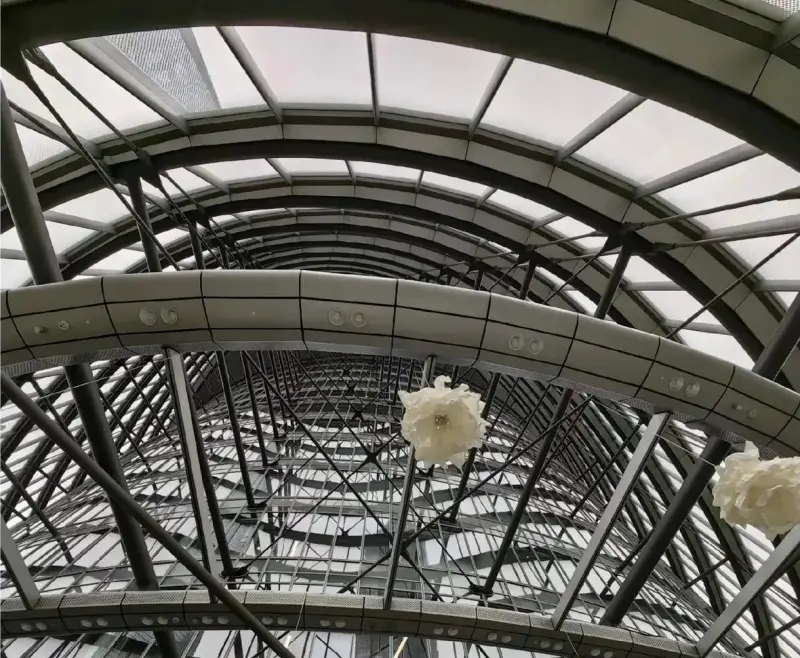
What shape is the Shanghai Tower?
The Shanghai Tower design features a distinctive twisting cylindrical shape, rotating approximately 120 degrees from base to top.
Why the twist matters
- Reduces wind load by about 24%
- Improves structural stability
- Enhances energy efficiency
This spiral form is not just visually striking—it plays a crucial engineering role. Compared to traditional rectangular skyscrapers, the aerodynamic shape helps the tower withstand typhoons common in Shanghai.
If you’re planning to visit the tower along with nearby attractions, you may also want to check out a well-structured Shanghai itinerary guide to optimize your time in the city.
What Is Shanghai Tower Made Of?
The Shanghai Tower design uses a composite structure of steel and glass, combining strength with transparency.
Key materials
- Steel mega-frame structure
- Reinforced concrete core
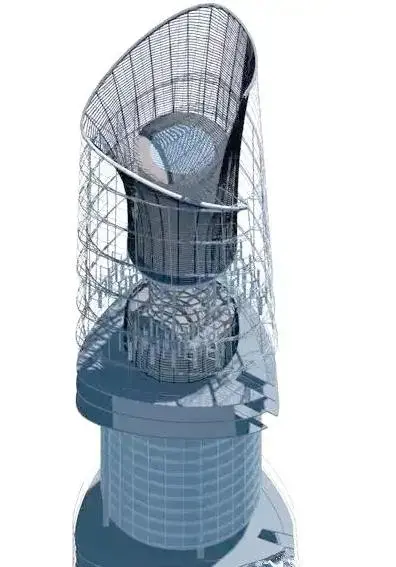
- Double-layer glass curtain wall
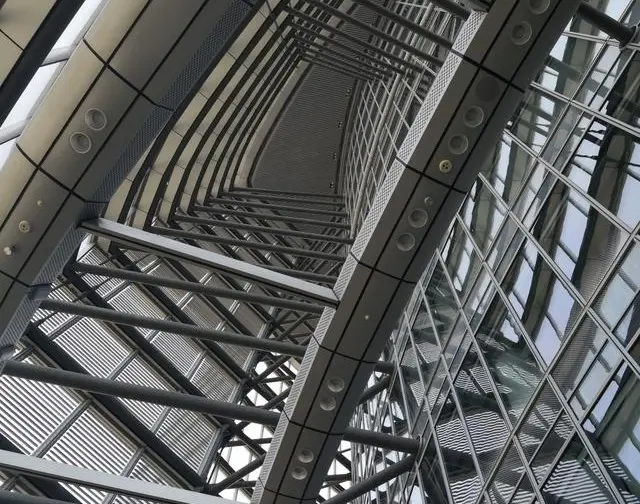
Double-skin façade
One of the most innovative features is the double-layer curtain wall, which:
- Creates a thermal buffer zone
- Reduces energy consumption
- Improves insulation
This design allows natural light to enter while minimizing heat loss or gain, making the building significantly more energy-efficient than conventional skyscrapers.
How Fast Is the Elevator?
The Shanghai Tower design includes some of the fastest elevators in the world, reaching speeds of approximately:
- 20.5 meters per second (74 km/h)
This allows visitors to travel from the ground floor to the observation deck in under a minute.
Elevator technology highlights
- Magnetic levitation-like smoothness
- Pressure-controlled cabins for comfort
- Smart traffic management system
For travelers figuring out how to reach the tower efficiently, this Shanghai transportation guide can help you navigate metro lines and routes easily.
How Is Shanghai Tower Sustainable?
Sustainability is at the core of the Shanghai Tower design, making it one of the greenest supertall buildings globally.
1. Double-layer curtain wall
- Reduces heating and cooling demand
- Improves indoor climate control
2. Wind power generation
- Wind turbines are installed near the top
- Generates renewable energy for building operations
3. Energy-saving systems
- Rainwater collection
- Greywater recycling
- Intelligent lighting systems
4. LEED Gold Certification
The building has achieved high environmental standards, reflecting China’s commitment to sustainable urban development.
Why the Design Matters
The Shanghai Tower design is more than just an architectural achievement—it represents:
- China’s technological advancement
- A shift toward sustainable megacities
- A new standard for skyscraper design worldwide
For visitors, the tower is also part of a broader Shanghai experience. Pair your visit with insights from a Shanghai travel tips guide to make the most of your trip.
And if you’re staying nearby, explore the best areas through this where to stay in Shanghai guide for convenience and skyline views.
FAQ
What shape is Shanghai Tower?
The Shanghai Tower design features a cylindrical form that twists 120 degrees as it rises, reducing wind pressure and improving structural efficiency.
How fast is the elevator in Shanghai Tower?
The elevators reach speeds of about 20.5 meters per second, making them among the fastest in the world.
How is Shanghai Tower environmentally friendly?
The Shanghai Tower design includes a double-layer glass façade, wind turbines, water recycling systems, and energy-efficient technologies to reduce its environmental impact.