
Shanghai Metro Guide: Tickets, Apps, and How to Ride
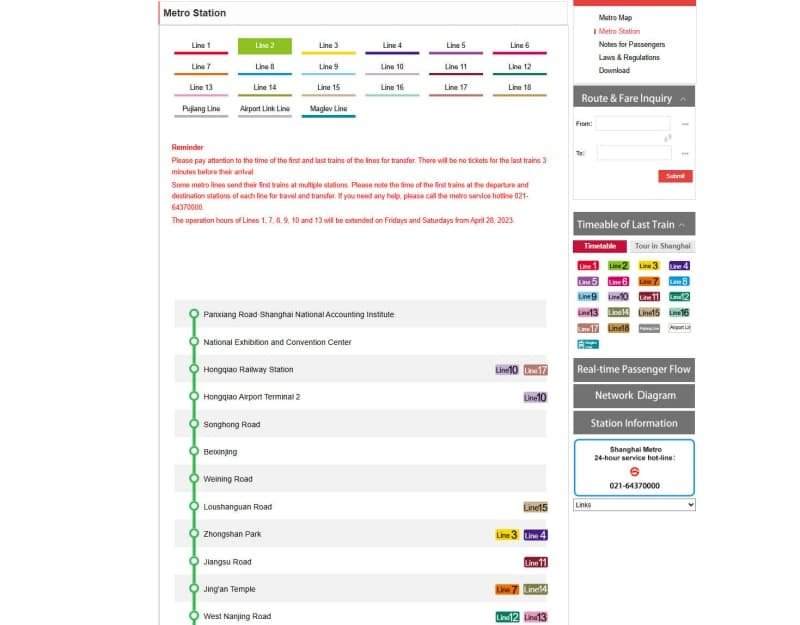
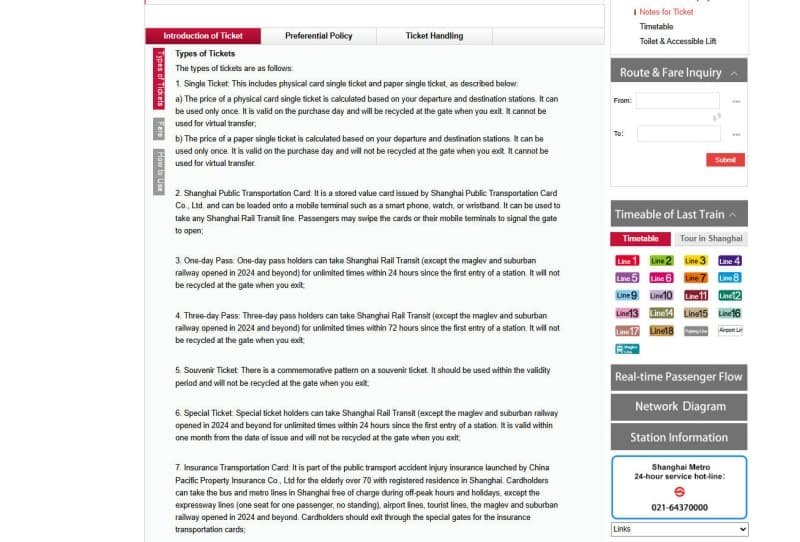
Shanghai metro guide for international travelers: Shanghai’s subway is fast, affordable, and easy to use once you know the ticket options, the right apps, and the step-by-step flow from entering the station to exiting at the correct gate. This guide focuses on what non-China visitors most often need: Shanghai metro tickets, the Shanghai metro app ecosystem (navigation + translation + payments), and how to use the Shanghai subway smoothly—especially from the airports and during peak hours.
Why the Shanghai Metro is great for tourists (fast, cheap, wide coverage)
For most visitors, the Shanghai subway is the quickest way to cross the city without traffic stress. Trains are frequent, signage is generally bilingual (Chinese/English), and major tourist areas are well served. In practical terms, this means:
- Fast: predictable travel times compared with taxis during congestion.
- Affordable: Metro fares are usually much cheaper than ride-hailing for similar distances.
- Wide coverage: you can reach downtown, business districts, many museums, shopping areas, and transport hubs by metro.
If you’re planning your first trip, start with the broader Shanghai Travel Guide to map attractions and neighborhoods, then use this Shanghai subway guide to turn that plan into reliable daily routes.
Fares & how to buy: the easiest options for tourists
The “best” payment method depends on (1) how long you stay, (2) whether you have mobile payment set up, and (3) how much you want to minimize friction at gates. For most foreign visitors, the simplest approach is:
- Short stays (1–3 days): use single-journey tickets when you’re still getting comfortable, then switch to a QR code if payments are ready.
- Medium/long stays: use a transit card (when convenient) or a metro QR code inside a supported app for speed.
How Shanghai metro fares work (what to expect)
Fares are distance-based. You don’t need to calculate anything in advance: just buy a ticket to your destination (or tap/scan in), and the system charges accordingly. Always keep your ticket (or keep the app ready) until you exit—most stations require it to open the exit gates.
Where to buy tickets in the station
- Ticket vending machines: typically offer English UI; pay as instructed on-screen.
- Service counter: helpful when machines reject your payment, or you need assistance finding the right station name.
Single ticket vs transit card vs in-app QR code
Tourists usually choose between three methods. Below is the practical difference, so you can decide the best “set and forget” option for your trip.
Option 1: Single-journey ticket (easy for first rides)
- Pros: no setup; good when you’re jet-lagged or unsure about your route.
- Cons: You’ll queue at machines; you must buy each ride.
- Best for: first-time riders learning how to use the Shanghai metro step by step.
Option 2: Transit card (good for frequent riders)
- Pros: tap-in/tap-out convenience; reduces ticket machine time.
- Cons: You need to obtain/reload it; refund rules vary by location and product.
- Best for: multi-day visitors taking several rides daily.
Option 3: App-based ride code (Shanghai metro QR code)
The fastest day-to-day method is often a Shanghai metro QR code (scan to enter/exit) inside a supported app. This can be very smooth once your mobile payments are working. If you’re unsure how to set that up as a non-China visitor, read Payments in China for Tourists(2026) first—doing this before you land saves time and stress.
- Pros: no physical card; quick scanning; easy to check ride history.
- Cons: depends on phone battery, connectivity, and correct app setup.
- Best for: travelers who already have payments working and want the least friction.
How to ride (entering, transfers, exiting): a full walkthrough
If you’ve never used Shanghai transit before, this is the core “how to use Shanghai subway” flow. Do this once, and everything becomes routine.
Step 1: At the station entrance
- Find the right entrance: station signs usually show the station name in Chinese and English.
- Security check: most stations have bag screening. Keep liquids and power banks accessible if asked.
- Choose your payment method: ticket, transit card, or QR code ready before the gate.
Step 2: Passing the gates (tap or scan)
- Single ticket: insert or tap as instructed; keep it for exit.
- Transit card: tap once; wait for the gate to open.
- QR code: open the code in your app, increase screen brightness, and scan steadily.
Step 3: Finding the correct platform
Follow signs for:
- Line number (color-coded) and direction (usually the terminal station name).
- Platform number and arrows for transfers.
Tip: if your navigation app shows “toward X (terminal)”, match that terminal name on station signage. This is the easiest way to avoid boarding the wrong direction in a big interchange station.
Step 4: Transfers (the part that confuses first-timers)
- Stay inside the paid area: follow “Transfer” signs; you usually do not exit gates.
- Budget extra time: some transfers involve long corridors and multiple escalators.
- Confirm direction again: each line has two directions—always check the terminal station name before boarding.
Step 5: Exiting at the right “Exit #”
Shanghai stations can have many exits. Use your map app to pick the best exit number for your destination (hotel, mall, museum). If you exit from the wrong gate, you may lose time crossing large intersections or navigating underground passages.
Planning where to base yourself reduces unnecessary transfers; see Where to Stay in Shanghai for neighborhoods that make metro travel simpler.
Must-have apps (navigation, translation, payments)
A good Shanghai metro app setup is less about one single “metro app” and more about a small toolkit that covers: (1) route planning, (2) language help, and (3) payment/ride code access.
Navigation apps (pick one and learn it)
- Metro + map routing: choose an app that shows line colors, transfer stations, exit numbers, and estimated time.
- Offline support: download city maps if your data is unreliable.
Translation apps (for station names and signs)
- Camera translation: helps when you face Chinese-only notices, detours, or temporary closures.
- Text translation: useful for typing a station name to confirm pronunciation or characters.
Payments & ride code access
Many visitors rely on mobile payment to unlock the smoothest QR-code experience. Before your trip, confirm what works with your cards and passport. The practical checklist is covered in Payments in China for Tourists(2026).
Airport lines: the most reliable ways from PVG and Hongqiao
This section focuses on “most stable” routes: fewer surprises, clear signage, and dependable frequency. Always confirm your exact terminal and your hotel location before choosing.
From Pudong Airport (PVG)
- Metro option: a direct metro connection is often the simplest for central Shanghai if you can manage luggage and transfers.
- Maglev + metro: fast and fun if you want to experience the Maglev, but it typically requires a transfer to the subway for most hotels.
If you arrive late or have heavy baggage, consider whether multiple transfers are worth it. Sometimes a taxi/ride-hail is less stressful—even if the metro is cheaper.
From Hongqiao (SHA) and Hongqiao Railway Station
- Metro option: Hongqiao is very well connected by subway; signage is generally strong because it’s a major hub.
- Rail + metro combos: if you’re connecting to other cities in East China, plan extra buffer time for moving between the airport and the railway areas.
Peak hours, luggage, and accessibility: how not to melt down
Peak hours (crowds, queues, and platform flow)
- Go earlier or later: if you can, avoid commuting peaks on weekdays.
- Stand clear of doors: let people exit first; then board quickly.
- Have your code/ticket ready: gates back up fast when people fumble with phones.
Luggage tips (especially with transfers)
- Use elevators when available: follow signs for elevators; they can be far from your current position.
- Plan fewer transfers: a slightly longer ride with fewer changes is often better with big suitcases.
- Mind the gap: watch the platform edge and any step/gap when rolling luggage on/off.
Accessibility (wheelchairs, strollers, mobility needs)
Many stations have accessible routes, but not every exit is equally friendly. When routing, prioritize stations/exits known for elevators, and allow extra time for staff assistance if needed.
Troubleshooting: QR won’t scan, wrong exit, station names confusing
Problem: QR code won’t scan
- Turn up the brightness and hold the phone steady.
- Switch networks (Wi‑Fi/Cell) if the code fails to refresh.
- Open the correct code: some apps have separate “bus” vs “metro” codes.
- Backup plan: buy a single-journey ticket at the machine and fix the app later.
Problem: You exited from the wrong gate
- Check the exit list: many stations post maps by each exit with nearby landmarks.
- Re-route above ground: sometimes it’s faster to walk on the surface than to re-enter and transfer underground.
- Next time: in your map app, tap the station and look for “Exit #” guidance before leaving the platform.
Problem: Station names are hard to match
- Use the terminal station name to confirm direction.
- Copy/paste Chinese characters from your map app into translation for clarity.
- Look for line colors/numbers: they’re often the quickest visual confirmation.
Safety & etiquette (common mistakes Americans and other visitors make)
- Keep moving: don’t stop at the top of escalators or right after the gate—step aside first.
- Queue discipline: follow platform markings and let riders off before boarding.
- Keep bags close: crowded cars are normal; wear backpacks on the front if packed.
- Quiet carriage culture: phone calls and loud conversations are generally less common than in some cities.
- Offer priority seats: respect priority seating areas for elderly, pregnant, or disabled passengers.
FAQ
Is the Shanghai metro easy for English speakers?
Yes, most key signage is bilingual. With a navigation app, this Shanghai metro guide is usually enough for confident travel on day one.
Do I need cash to buy Shanghai metro tickets?
Not always, but it’s smart to have a backup payment method. If you want the smoothest experience, set up mobile payment before arrival using Payments in China for Tourists(2026).
What’s the best option: ticket, card, or QR?
For most visitors: start with a single-journey ticket on your first ride, then move to a Shanghai metro QR code once your payments are stable. Frequent riders may prefer a transit card.
How do I make sure I’m going the right direction?
Match the line number/color and the terminal station name shown on signs with your route in your map app.
Can I take the Shanghai metro to major attractions?
In many cases, yes—this is one reason a Shanghai subway guide is so useful. For attraction planning and area-by-area tips, see the Shanghai Travel Guide.