
Is Shanghai Tower a Failure?
Is Shanghai Tower a failure? This question often appears in headlines and online discussions, especially when people talk about its high construction cost and reported vacancy rates. But the reality is far more complex than a simple yes or no.
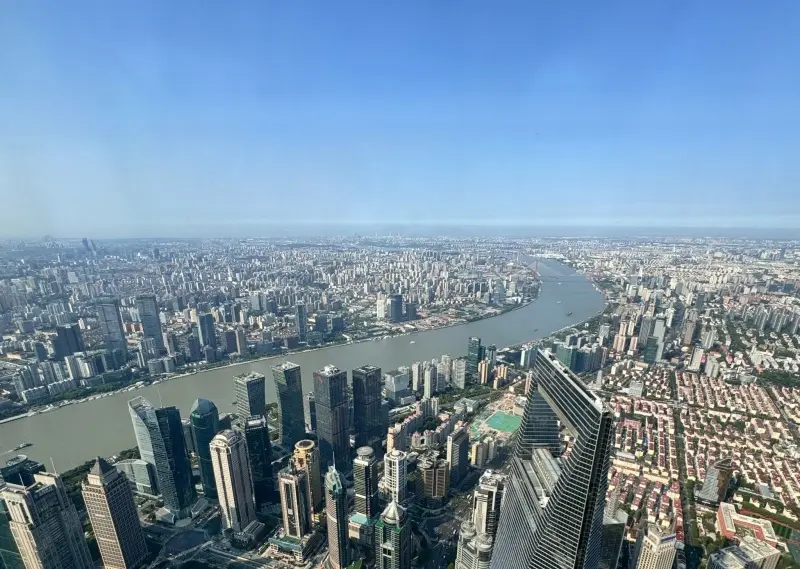
As the tallest building in China and the second tallest in the world, Shanghai Tower is not just a commercial project—it is a symbol of modern Shanghai and China’s global ambition.
Why Some People Call It a Failure
Occupancy Rates and Investment Concerns
One of the main reasons people ask “Is Shanghai Tower a failure?” is due to its relatively low occupancy rate in the early years after completion.
Reports suggested that:
- Office spaces were not fully leased
- Some floors remained empty
- Rental prices were lower than expected
Compared to other skyscrapers in major global cities, this raised concerns about return on investment.
High Construction Cost
Shanghai Tower cost approximately $2.4 billion to build. Critics argue that:
- The cost is too high relative to short-term revenue
- It may take decades to break even
- Nearby buildings like the Shanghai World Financial Center compete for tenants
For travelers planning their visit, understanding Shanghai’s modern development helps add context. You can explore how to structure your trip with this Shanghai itinerary.
The Reality: Economic and Strategic Value
A Landmark Beyond Profit
Judging whether Shanghai Tower is a failure purely based on occupancy misses its bigger role.
Shanghai Tower serves as:
- A global symbol of China’s economic rise
- A centerpiece of the Lujiazui Financial District
- A major tourist attraction
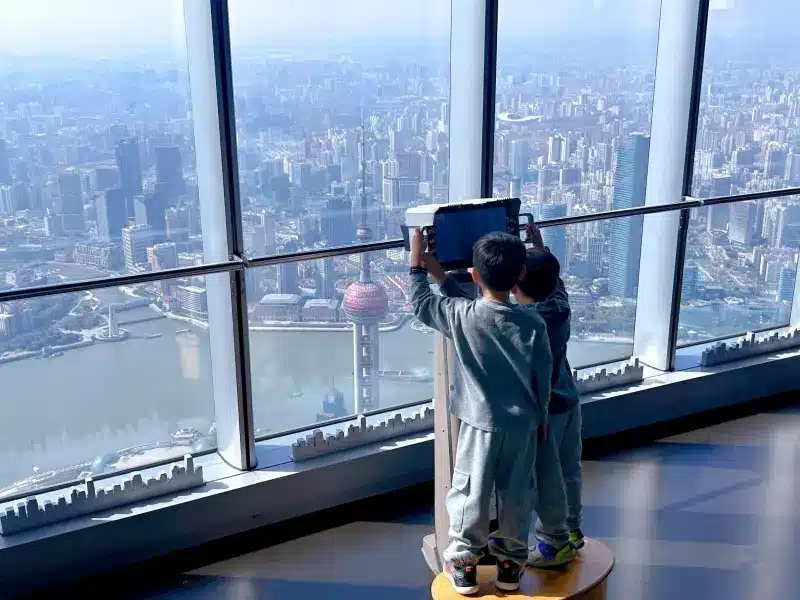
Its observation deck attracts millions of visitors, contributing significantly to tourism revenue.
If you’re planning to visit the tower, knowing the Shanghai Metro guide can make your journey much easier.
Long-Term Urban Strategy
Shanghai Tower was never meant to be a short-term profit project. Instead, it plays a strategic role in:
- Attracting multinational companies
- Strengthening Shanghai’s financial hub status
- Supporting long-term urban planning
Large-scale infrastructure projects often take decades to show full returns.
Current Status of Shanghai Tower
Fully Completed and Operational
For those still wondering, “Is Shanghai Tower a failure because it’s unfinished?” — the answer is no.
Shanghai Tower:
- Was completed in 2015
- Is fully operational
- Hosts offices, hotels, retail spaces, and observation decks
Increasing Occupancy Over Time
In recent years:
- More companies have moved in
- Occupancy rates have improved
- The building has become more commercially active
Tourists visiting Shanghai often include the tower in their travel plans, especially those following a Shanghai 3-day itinerary.
Final Verdict
So, is Shanghai Tower a failure?
The short answer: No.
While early financial performance raised concerns, Shanghai Tower should be viewed as:
- A long-term investment
- A global landmark
- A key part of Shanghai’s identity
Short-term metrics like occupancy rates don’t fully capture its value. Over time, its importance continues to grow—both economically and culturally.
For travelers deciding where to stay nearby, check this guide to where to stay in Shanghai.
FAQ
Why do people say the Shanghai Tower failed?
People often point to low initial occupancy rates and high construction costs as reasons. However, these factors don’t reflect its long-term strategic value.
Is Shanghai Tower finished?
Yes, Shanghai Tower was completed in 2015 and is fully operational, including offices, hotels, and observation decks.
Who owns Shanghai Tower?
Shanghai Tower is owned by Shanghai Tower Construction and Development, a state-owned consortium backed by the Chinese government.