
Best Time to Visit Shanghai: Weather, Crowds, and Festivals
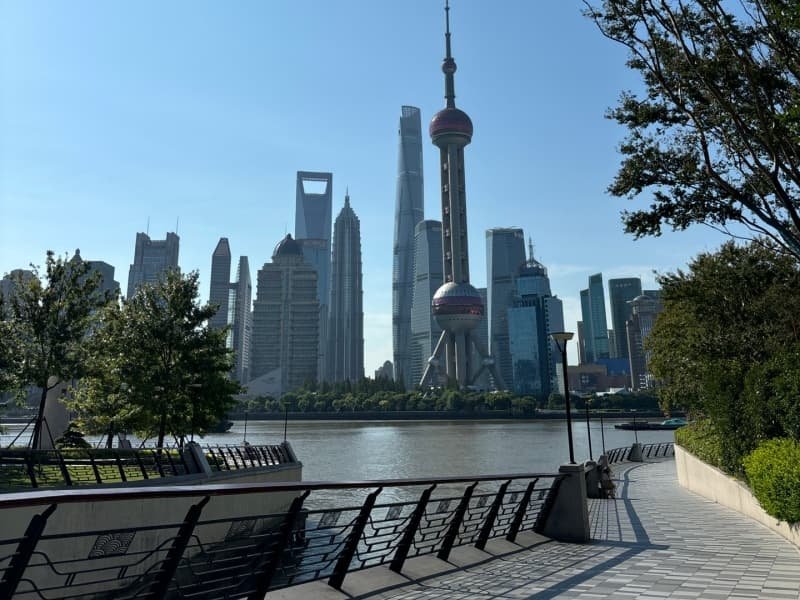
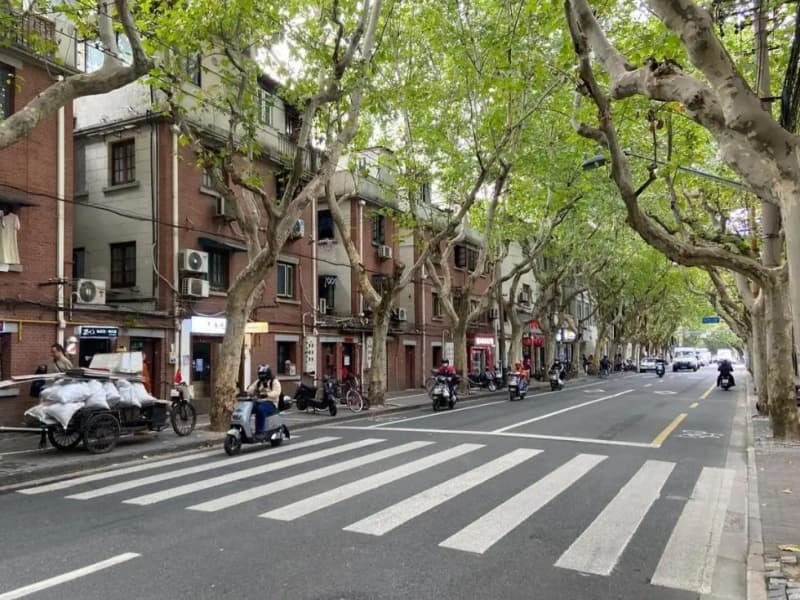
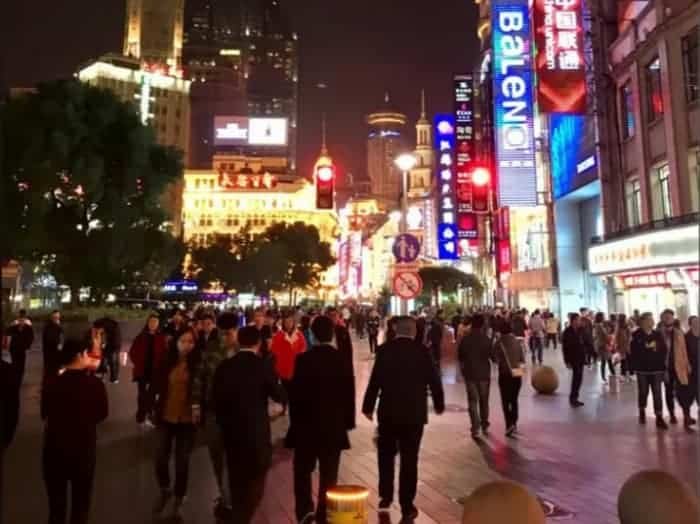
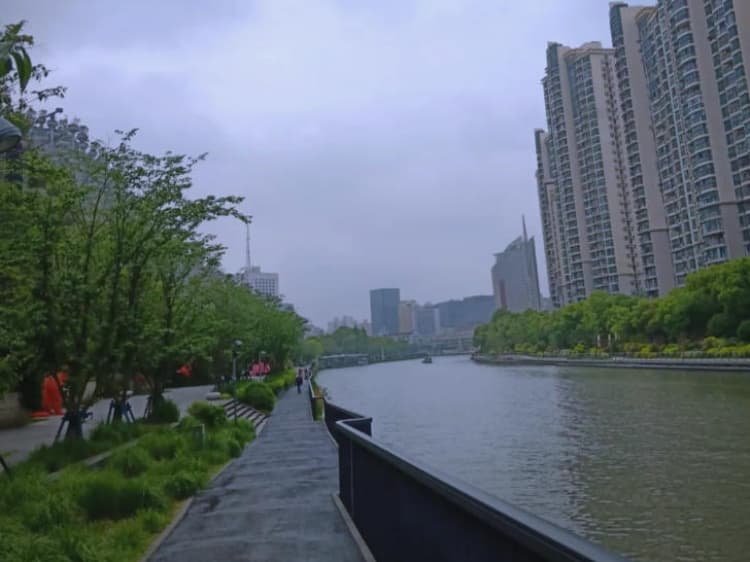
The best time to visit Shanghai depends less on the thermometer and more on how the city feels: humidity, wind, rain patterns, visibility for skyline views, and whether you accidentally arrive during Shanghai’s peak holidays. This guide breaks down Shanghai weather by month in a traveler-friendly way, explains the real “comfort season” vs “survival season,” and helps you pick the best month to visit Shanghai based on your trip length and priorities.
Bottom line: the best months for most travelers (and why)
For most international visitors, the best season is autumn (roughly late September to November), with spring (roughly March to May) as a close second. These windows usually deliver the best balance of walkable temperatures, lower humidity, and decent visibility—ideal for skyline viewpoints and neighborhood wandering.
- Best overall: October–November (comfortable “city-walk” weather, often clearer air)
- Great alternative: April–May (pleasant, but bring rain gear)
- Most challenging: July–August (heat + humidity + typhoon disruption risk)
- Underrated value: December (fewer crowds; cold feels sharper due to dampness)
If you’re building an itinerary, pair this timing advice with the Shanghai Travel Guide for neighborhood picks and attraction clusters, and use the 3 Days in Shanghai Itinerary if you want a ready-made plan.
What Shanghai seasons feel like (don’t look at temperature alone)
Shanghai is humid for much of the year, and that changes everything: a “mild” temperature can feel sticky in summer or surprisingly chilly in winter. Wind along the river can also amplify cold days, while haze/humidity can flatten skyline views even when it’s not raining.
The 3 factors that matter most for comfort
- Humidity: drives the “sticky” summer feeling and the “wet cold” in winter.
- Rain pattern: short showers vs all-day drizzle determines how walkable your day is.
- Visibility: affects skyline photos and the wow-factor at viewpoints.
The 2 factors that matter most for planning
- Shanghai crowds during holidays: certain weeks can multiply wait times and hotel prices.
- Trip length: A perfect season matters more for a 48-hour trip than for a 10-day trip.
Spring: comfortable, but plan for rain
Spring is one of the best answers to “best time to visit Shanghai?” because it’s generally comfortable for walking and café-hopping. The trade-off: rain and occasional temperature swings.
What to expect in spring (March–May)
- Feel: mild-to-warm days, cooler evenings; humidity starts rising as you approach May.
- Rain: common—sometimes light drizzle, sometimes steady wet days.
- Best for: neighborhoods, street photography, museums, and river walks.
Spring packing priorities
- Light waterproof layer (a compact rain jacket beats a flimsy umbrella in wind).
- Comfortable shoes that can handle wet pavement.
- One warmer layer for evenings or cold snaps.
Spring is also great for day trips when the weather cooperates—see Day Trips from Shanghai if you want to tack on a nearby water town or a neighboring city.
Summer: humidity and typhoon season (the real impact)
Summer can still be a good time for Shanghai if you love nightlife, don’t mind sweat, and plan indoor breaks—but it is the hardest season for long daytime walks. When people search for Shanghai weather by month, this is where expectations often break.
What to expect in summer (June–August)
- Feel: hot and humid, especially mid-day; evenings can still be muggy.
- Rain: heavier downpours; stormy days happen.
- Typhoons: not constant, but when they occur, they can disrupt flights, trains, ferries, and outdoor plans.
How typhoon risk changes your trip plan
- Build indoor anchors: museums, cafés, malls, and observation decks that can work in the rain.
- Keep a flexible day: avoid “non-movable” outdoor reservations every day.
- Buffer travel days: if you’re flying out of Shanghai, don’t cut it too close.
Summer survival tips (without over-planning)
- Start earlier, rest mid-day, and go out again after sunset.
- Hydrate constantly; carry water and plan quick stops.
- Choose shaded walks (tree-lined streets) over wide-open promenades at noon.
Summer is often “Shanghai peak season” for domestic travel and families, so expect higher prices and more lines—especially if you overlap with major holidays (see the crowd section below).
Autumn: the most reliable “city walking season.”
If you can choose freely, autumn is the most consistent answer to the best time to visit Shanghai. It’s the season where Shanghai feels made for walking: riverside strolls, architecture loops, and long food crawls without weather drama.
What to expect in autumn (late September–November)
- Feel: comfortable days and cooler nights; lower humidity than summer.
- Visibility: often better for skyline views and night photography.
- Best for: the Bund at sunset, French Concession-style wandering, day trips.
Autumn planning advantages
- More efficient sightseeing: you can stack outdoor stops without needing long indoor breaks.
- Better photo conditions: clearer horizons more often than humid months.
If you’re coming for a short visit, autumn pairs perfectly with the 3 Days in Shanghai Itinerary because you can actually walk the route comfortably.
Winter: not brutal, but the damp cold is real
Winter in Shanghai is usually not “extreme” in temperature compared with some destinations, but it can feel colder than expected because of humidity and wind. Many travelers underestimate this and pack too lightly.
What to expect in winter (December–February)
- Feel: chilly and damp; windy days along the river feel significantly colder.
- Rain: less frequent than spring, but gray days happen.
- Upside: fewer crowds outside holiday spikes, easier hotel availability.
Winter packing priorities
- Insulating mid-layer (sweater or fleece).
- Wind-blocking outer layer.
- Warm socks and closed shoes (damp pavement + wind is the issue).
Winter is a strong choice if you’re crowd-averse and you’re happy with a museum-and-food-focused trip rather than “outdoors all day.”
Crowds: which holidays to avoid (and what happens if you come anyway)
Shanghai is always busy, but Shanghai’s peak holidays can dramatically change your experience. The city becomes more expensive, attractions develop long lines, and transport hubs get crowded.
Holidays that can spike crowds
- Chinese New Year period: travel surges around the holiday; some shops/restaurants may close or run limited hours, while tourist areas can still be packed.
- Labor Day holiday (often early May): heavy domestic tourism, higher hotel rates.
- National Day “Golden Week” (early October): one of the biggest crowd weeks of the year.
- Summer school holidays: more family travel, especially July–August.
If you must visit during peak periods, adjust your strategy
- Book hotels earlier and expect less flexibility.
- Go early to headline sights (Bund sunrise/morning museums).
- Choose “walkable neighborhoods” over ticketed attractions with bottlenecks.
- Use day trips carefully: transport tickets may sell out; see Day Trips from Shanghai and reserve ahead where needed.
Views & photography: visibility, humidity, and sunset timing
If skyline photos are a priority, the best month to visit Shanghai is often one with lower humidity and clearer air—typically autumn, sometimes winter. High humidity can soften contrast and reduce visibility, even on “nice” days.
How to choose the best day for skyline views
- Prefer lower-humidity days when possible (your weather app’s humidity and haze indicators matter).
- After a front/rain, conditions often look clearer once the weather passes (not guaranteed, but common).
- Avoid midday haze: if the sky looks washed out at noon, try returning near sunset.
Sunset strategy (simple and effective)
- Arrive early: get to your viewpoint 30–45 minutes before sunset to secure a good spot.
- Stay after: city lights + blue hour often look better than the moment of sunset.
- Bring a small cloth: humidity can fog phone lenses quickly in warmer months.
Pack by month: a minimalist checklist
This is a minimalist, traveler-friendly packing guide aligned with Shanghai’s weather by month. Adjust based on your personal cold/heat tolerance.
March–April (spring start)
- Light jacket + one warm layer
- Compact rain jacket/umbrella
- Closed-toe walking shoes
May (warm spring, rain possible)
- Breathable tops + light layer for evenings
- Rain protection
- Comfortable shoes (wet-friendly)
June (transition into humid season)
- Quick-dry shirts
- Light rain layer
- Anti-chafe/comfort items if you walk a lot
July–August (heat + humidity)
- Very breathable clothing (quick-dry)
- Sun protection (hat/sunscreen)
- Portable fan (optional) + power bank
- Light rain layer for storms
September (still warm, improving)
- Breathable clothes + a light layer at night
- Rain protection (less than summer, but still useful)
October–November (prime season)
- Light jacket + layering pieces
- Comfortable walking shoes
- Optional scarf for windy nights
December–February (winter wet-cold)
- Warm mid-layer + windproof outer
- Warm socks + closed shoes
- Optional gloves/hat for river walks
Only a weekend vs 3–4 days: how to use the best season differently
Your trip length changes how you should exploit the best season. A short trip needs maximum “efficiency per hour,” while a longer one can absorb weather variability and crowds.
If you only have a weekend (2 days)
- Best timing: October–November or April–May (walkable, photogenic).
- Best strategy: stay central and walk-heavy; minimize cross-city transfers.
- Use a ready plan: 3 Days in Shanghai Itinerary can be trimmed into a 2-day version by removing one neighborhood cluster.
If you have 3–4 days
- Best timing: same prime months, but you can also consider shoulder periods (September, December) for fewer crowds.
- Best strategy: add one day trip if the weather is good—see Day Trips from Shanghai.
- Flex days: In rainy months, plan one museum-heavy day and one outdoor-heavy day, and swap as needed.
FAQ
What is the best time to visit Shanghai for the weather?
Autumn (especially October–November) is typically the most comfortable and consistent. Spring (April–May) is also excellent but rainier.
What is the Shanghai weather by month really like?
Shanghai is humid for much of the year. Summer feels hotter than the temperature suggests, and winter feels colder than expected due to dampness and wind. Spring and autumn are the most walkable seasons.
When is Shanghai’s peak season for crowds?
Major national holidays (especially early October Golden Week and early May holiday periods) and the summer school vacation window can bring heavier crowds and higher prices.
Is winter a bad time to visit Shanghai?
Not necessarily. Winter can be great for fewer crowds and a food-and-museums focus—just pack for damp, cold, and wind.
What’s the best month to visit Shanghai for photos?
Often, October or November for clearer air and comfortable sunset shooting sessions, though good visibility days can happen in winter as well.