
Pudong Airport (PVG) to Downtown Shanghai: All Transfer Options Compared
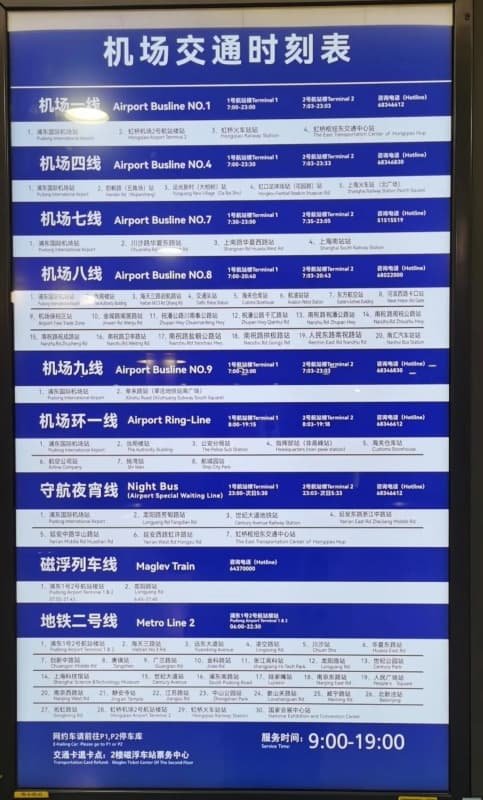
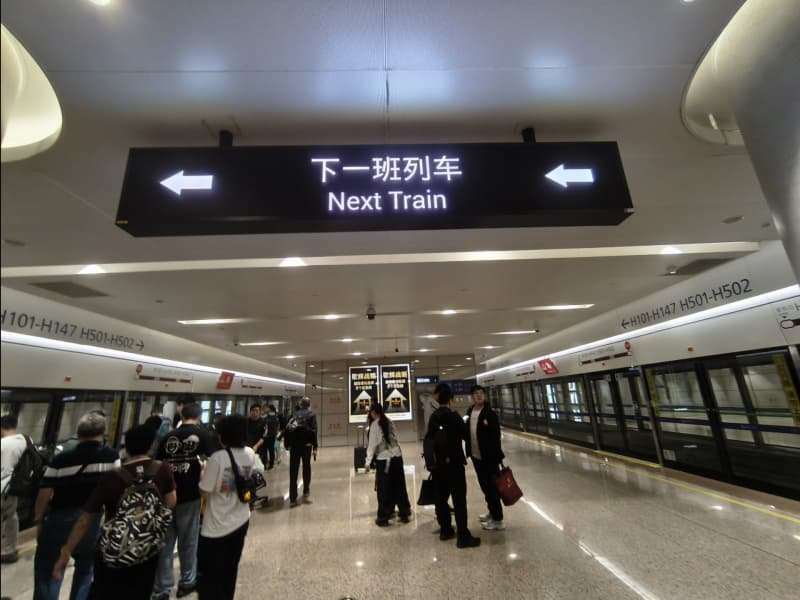
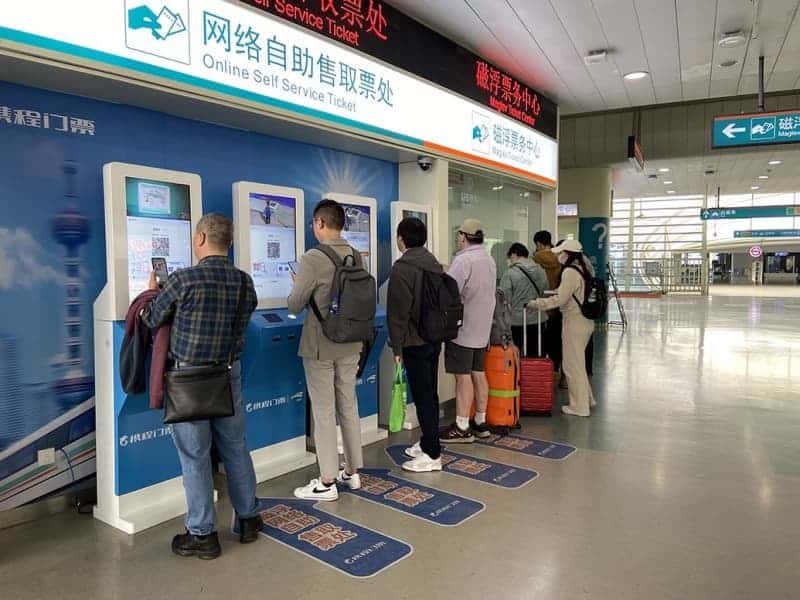
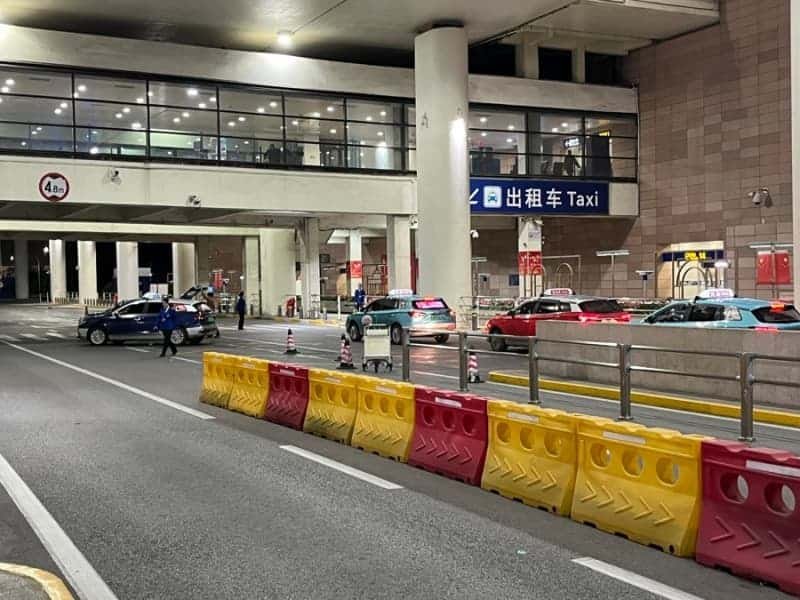
PVG to downtown Shanghai is one of the first decisions you’ll make after landing—and it affects everything: cost, comfort, and how quickly you reach your hotel. This guide compares every practical option from Pudong Airport to the city center, including the metro, Maglev, airport bus, and taxi/ride-hailing, with special notes for first-time international visitors.
Bottom line first: the best way from PVG for most travelers
If you want the simplest, most reliable choice, take the metro (usually Line 2) when you arrive in daytime/early evening, and you’re comfortable handling your own luggage. It’s the best balance of price and predictability for most tourists traveling from PVG to downtown Shanghai.
- Best overall: Metro (cheap, frequent, easy once you see the signage)
- Fastest: Maglev (very fast to Longyang Road, then you still transfer)
- Most luggage-friendly: Taxi/ride-hail (door to door)
- Best for specific districts/hotels: Airport bus (if your route matches a stop)
New to Shanghai planning? Start with the Shanghai Travel Guide to choose areas to stay, because “downtown” varies depending on whether you mean People’s Square, Jing’an, the Bund area, or Lujiazui.
What to know after landing at PVG (terminals, English signs, cash)
Terminals and signage
Pudong Airport is large, but the flow is straightforward. Follow signs for:
- Metro (subway icon)
- Maglev
- Airport Bus
- Taxi
Major wayfinding is typically in Chinese and English. When in doubt, look for transport pictograms and ask staff by showing the word “Metro / Maglev / Taxi” on your phone.
Money basics: exchange, ATMs, and payments
For transfers, you’ll be fine with either (a) mobile payment, or (b) card/cash, depending on the counter or machine. Because traveler payment setups vary widely, it helps to have a backup plan:
- Have some cash for emergencies (machines, small kiosks, or if your phone fails).
- Keep a working data connection if you plan to use ride-hailing or QR-based payments.
If you haven’t arranged mobile data yet, see SIM/eSIM in China for Tourists(2026) before your trip (or while on airport Wi‑Fi) so you can book rides and load maps without stress.
Option 1: Metro (cheapest)
For most visitors traveling from Pudong airport to the city center, the metro is the value champion. It’s also the most “fail-safe” option when traffic is unpredictable.
Time/cost and how to choose transfers
Expect a longer ride than the Maglev, but with low cost and good frequency. Your total time depends heavily on your exact destination and how crowded the line is.
- Time: typically around ~60–90+ minutes door-to-door for many central areas (varies a lot by hotel location and transfer walking time).
- Cost: low; fare is distance-based and usually the cheapest among all options.
How to pick the “right” route
- Prioritize fewer transfers if you have a suitcase. A longer ride with one line can be easier than two transfers.
- Use the terminal station name to confirm direction. In Shanghai, line signs often show the direction as “toward [terminal].”
- Choose the best exit at your destination station (Exit numbers matter—some stations are huge).
Practical tips for first-timers (Pudong to Shanghai metro)
- Keep your ticket (or keep your in-app QR ready) until you exit—many systems require it to open the exit gate.
- Peak-hour reality: commuting times can be very crowded; keep bags close and avoid blocking doors.
- Battery backup: If you use QR codes, carry a power bank so you don’t get stuck at the exit gates.
Option 2: Maglev (fastest, but not always easiest)
The Maglev is the headline experience—very fast—, and it can be the quickest way from PVG to downtown Shanghai if your destination is convenient from its city-side station. In most cases, you still need a metro or taxi after the Maglev.
When the Maglev is “actually worth it” (Pudong maglev vs metro)
Think of the Maglev as a fast “first leg” from the airport to a major transfer point. It’s most worthwhile when:
- You arrive during operating hours and want the fastest overall time.
- Your hotel is near the Maglev’s connection point (or an easy onward metro ride with minimal transfers).
- You’re traveling light and don’t mind a transfer.
It’s less worthwhile when you have multiple big suitcases, are traveling with kids/elderly family, or your final destination requires several transfers anyway, because transfer walking time can erase the speed advantage.
Reality check: “PVG maglev vs metro vs taxi”
- Maglev: fastest airport-to-transfer-point segment; still needs a second leg.
- Metro: cheapest and most predictable; slower but simpler once you’re on the train.
- Taxi: easiest with luggage; travel time depends on traffic and time of day.
Option 3: Airport bus (best for certain areas/hotels)
Airport buses can be a great middle ground from Pudong airport to the city center if (1) your hotel is near a bus stop, and (2) you don’t want to drag luggage through transfers.
When the airport bus makes sense
- Your destination is near a bus terminus/stop (some routes are very direct for specific districts).
- You have luggage but want to spend less than on a taxi.
- You’re arriving when the metro is crowded, and you prefer a seated ride.
Trade-offs to know
- Traffic risk: buses can slow down significantly at rush hour.
- Stop locations: you may still need a walk or a short taxi to your hotel.
- Finding the right bus: confirm the route number and destination carefully; take a photo of the route board if possible.
Option 4: Taxi/ride-hailing (most luggage-friendly)
If you’re traveling with multiple suitcases, arriving with family, or simply want the least complicated journey from PVG to downtown Shanghai, a taxi (or ride-hailing) is usually the most comfortable. It’s also the simplest at night when some public transport options are limited.
Cost and timing expectations (Pudong airport taxi cost)
Total cost depends on distance, time of day, and traffic. Plan for variability rather than a single exact number. The trade-off is straightforward: you pay more than metro/bus, but you get door-to-door convenience and fewer steps.
Anti-scam essentials + Chinese address template to screenshot
- Use the official taxi queue and follow airport signs to the designated taxi area.
- Avoid unsolicited offers inside the terminal (“taxi? taxi?”). Stick to official lines/counters.
- Have your destination in Chinese to prevent confusion and reduce wrong drop-offs.
Chinese address template (copy/paste and screenshot)
Fill this in before you fly, then keep it saved offline:
目的地/酒店名称:
酒店中文名(如有):
中文地址:
附近地标(可选):
联系电话(可选):
If your hotel listing only shows English, ask the hotel (or your booking platform) for the Chinese name/address and save it.
Ride-hailing note (data required)
Ride-hailing is convenient, but it’s much harder without mobile data. If you plan to use it right after landing, set up connectivity first—see SIM/eSIM in China for Tourists(2026).
Arriving late: what still runs at night?
Deep-night arrivals change the equation. In general:
- Taxi: usually the most reliable late-night option (expect queues at peak arrival times).
- Metro/Maglev: operating hours are limited; if you land very late, you may miss the last trains.
- Airport bus: some routes may run later than rail options, but schedules vary by route and season.
Your safest plan: before your trip, check your flight’s scheduled landing time and assume delays. If you land close to last-train time, decide in advance whether you’ll attempt rail or go straight to a taxi to avoid being stranded.
No internet? You can still get to the city (temporary connection options)
You can complete PVG to downtown Shanghai even without mobile data, but you need a simpler approach:
- Use airport Wi‑Fi to download offline maps and screenshot your route/Chinese address.
- Choose metro or official taxi: both can work without app booking.
- Prepare key screenshots: hotel Chinese address, a map pin, and your preferred route.
If you want a more reliable setup for the whole trip (maps, translation, ride-hailing), arrange a plan via SIM/eSIM in China for Tourists(2026).
FAQ
What’s the best way from PVG to Shanghai for first-time visitors?
For most people: metro in daytime (cheap and predictable). If you have heavy luggage or land late: official taxi is often easiest.
Is the Maglev always faster than the metro?
On the airport-to-transfer segment, yes. But overall time depends on your second leg. For many hotels, Pudong maglev vs metro comes down to how many transfers you’ll face after the Maglev.
Can I get from Pudong airport to the city center without mobile data?
Yes. Take the metro using station signage, or use the official taxi queue and show your hotel’s Chinese address. Mobile data mainly helps with navigation and ride-hailing convenience.
How do I avoid transfer scams at PVG?
Ignore solicitors offering rides inside the terminal. Follow signs to official transport areas (metro, Maglev, airport bus counters, and the official taxi queue).
Which option is best if I’m staying near major tourist areas?
It depends on the exact neighborhood. Use the Shanghai Travel Guide to identify your base area, then choose: metro for value, taxi for luggage comfort, Maglev when it genuinely reduces total time.